

Budget Cruises Without Compromising Luxury
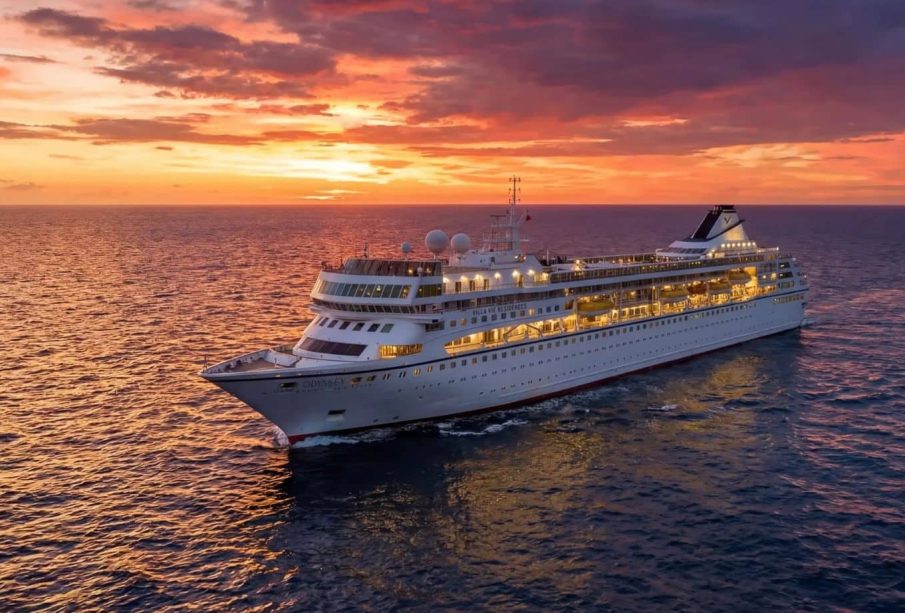
The concept of luxury travel often evokes images of five-star resorts, private villas, and exorbitant price tags. In the cruise industry, the finest suites and premium amenities are traditionally associated with elite, all-inclusive luxury lines. However, a shifting market has opened up a compelling alternative for savvy travelers: experiencing a high-end, upscale voyage without paying premium prices. By strategic planning, leveraging modern cruise line structures, and knowing exactly where to look, you can enjoy a lavish vacation on the open sea while staying firmly within a reasonable budget.
Cruising offers a unique advantage over land-based vacations because the core infrastructure of the ship is shared by all passengers. A guest in a standard cabin eats food prepared by the same culinary teams, watches the same broadway-caliber entertainment, and visits the same exotic ports as someone paying three times more for a top-tier suite. By mastering the art of value-focused cruising, you can elevate a standard voyage into a deeply luxurious experience.
Choosing the Right Ship Architecture and Class
Not all cruise ships are created equal, and selecting the right vessel is the foundational step in securing a luxury experience on a budget. The cruise industry is broadly divided into contemporary, premium, and luxury tiers. To maximize value, your target should be the premium contemporary lines or the newer mega-ships of mainstream operators.
Premium cruise lines position themselves directly between mass-market lines and ultra-luxury brands. These ships feature higher crew-to-guest ratios, more sophisticated interior design, and a distinct lack of the frantic, high-energy announcements common on budget lines. Because these brands frequently run competitive promotions, their base fares often sit just slightly above mainstream lines while offering a significantly more refined onboard atmosphere.
If you choose a mainstream line, focus on their newest and largest vessels. Cruise lines pour hundreds of millions of dollars into their flagship vessels, equipping them with world-class design elements that rival luxury hotels. Mainstream mega-ships often feature designated adults-only solariums, upscale specialty restaurants designed by Michelin-starred chefs, and thermal suite spas that offer a serene escape from the livelier areas of the ship.
Navigating the Ship-Within-a-Ship Concept
One of the best-kept secrets for securing a high-end experience at a discount is the “ship-within-a-ship” concept. Many mainstream and premium cruise lines have constructed exclusive enclaves accessible only to guests who book specific cabin categories. These areas function as private luxury boutique hotels tucked away inside a massive, amenity-filled vessel.
When you book these specialized accommodations, you typically receive access to private lounges, dedicated pool decks, exclusive restaurants with elevated menus, and personalized concierge or butler service. While these cabins cost more than a standard interior or balcony room, they are substantially less expensive than booking a voyage on a dedicated ultra-luxury cruise line. You effectively gain the quiet intimacy, superior service, and premium dining of a luxury line, alongside the massive entertainment options, expansive fitness facilities, and diverse itineraries of a large ship.
Strategic Timing and Wave Season Booking
The price of a cruise ticket is highly fluid, governed by complex algorithmic yield management systems. To find the intersection of luxury and affordability, timing your booking and your actual sailing date is critical.
Sailing During Shoulder Seasons
The shoulder season refers to the travel periods right before or right after a region’s peak tourism months. For example, sailing the Mediterranean in May or October, or visiting Alaska in May or September, will yield dramatic price reductions compared to the peak summer months. During these windows, demand drops, prompting cruise lines to slash prices on their highest-end inventory to fill the ships. The onboard experience during shoulder seasons is often inherently more luxurious because the ship is rarely at full capacity, leading to shorter lines, more attentive service, and uncrowded public spaces.
Capitalizing on Promotional Windows
The cruise industry experiences a massive annual sales event known as “Wave Season,” which typically runs from January through March. During this period, lines release their most aggressive deals of the year. Instead of just lowering the base fare, lines often offer value-added perks that drastically reduce your out-of-pocket spending on board. Look for promotions that include complimentary stateroom upgrades, free specialty dining packages, included Wi-Fi, or substantial onboard credit.
Maximizing Value Through Onboard Spending Strategy
A low cruise fare can quickly lose its value if you spend heavily on incidental costs once on board. To maintain a luxury experience without overspending, you must approach onboard purchases with a calculated strategy.
-
Pre-Purchase Packages: Items like specialized beverage packages, internet access, shore excursions, and spa treatments are almost always less expensive when purchased online prior to embarkation. Cruise lines routinely offer discounts of 10% to 30% on pre-booked packages compared to the onboard pricing.
-
Leverage Specialty Dining Bundles: Instead of paying the full cover charge for individual specialty restaurants each night, look for dining packages. These bundles allow you to eat at high-end steakhouses, sushi bars, and French bistros for a fraction of the cost of a standalone reservation.
-
Utilize Onboard Credit Wisely: Treat any promotional onboard credit as real currency. Apply it directly to fixed costs like daily gratuities or high-value experiences like thermal suite passes, rather than impulse purchases in the onboard boutiques.
Crafting Independent Luxury Ashore
A significant portion of a cruise vacation takes place off the ship, and cruise-sponsored shore excursions are notorious for high markups and crowded tour buses. To enjoy a premium experience in port without the luxury price tag, bypass the ship’s excursion desk entirely.
With a small amount of research, you can arrange independent tours or private guides for a fraction of the cost of a ship-organized excursion. In many ports, you can purchase a day pass to a five-star luxury resort. These passes grant you full access to pristine private beaches, infinity pools, lounge chairs, and sometimes even all-inclusive food and beverages. This allows you to experience the exact same elite beach day as guests staying at a thousand-dollar-a-night resort, all while paying a modest fee before returning to your value-packed cruise ship in the evening.
Frequently Asked Questions
What exactly is included in a premium contemporary cruise fare versus a standard budget fare?
Premium contemporary lines generally include a wider variety of dining options in the base fare, higher-quality linens and bath amenities, and a more robust schedule of enrichment lectures and live music. They also tend to have fewer onboard announcements and less aggressive sales pitches for onboard services, creating a calmer atmosphere.
How can I find out which ships offer the ship-within-a-ship concept?
Most major cruise lines prominently feature these areas on their websites under specific branding. Examples include MSC Cruises’ Yacht Club, Norwegian Cruise Line’s The Haven, Celebrity Cruises’ The Retreat, and Royal Caribbean’s Royal Suite Class. Researching ship deck plans will show you exactly where these exclusive areas are located.
Is it cheaper to book a cruise at the absolute last minute or far in advance?
Both strategies can work, but booking far in advance is generally safer for securing luxury accommodations. Last-minute deals (within 30 to 60 days of sailing) occur when ships have unsold inventory, but the highest-end suites and prime balcony cabins are usually sold out by then. Booking early ensures you get the cabin location you want at the lowest introductory rate.
Do luxury budget cruises offer options for travelers with dietary restrictions?
Yes, modern cruise ships are highly accommodating to dietary needs. Both main dining rooms and specialty restaurants routinely offer detailed gluten-free, vegetarian, vegan, and low-sodium menus. For the best experience, notify the cruise line of your dietary restrictions at the time of booking and speak with the maître d’ upon embarkation.
Are gratitude fees and port taxes included in the initial advertised cruise price?
In the United States, advertised prices often exclude government port taxes, fees, and daily crew gratuities. These fees are added during the final checkout process. To avoid surprises, always look for the total price including taxes and fees before making your final payment decision.
Can I bring my own alcohol or beverages on board to save money?
Each cruise line has a strict policy regarding outside beverages. Many lines allow guests to bring one or two standard 750ml bottles of wine or champagne per stateroom in their carry-on luggage on embarkation day. A corkage fee may apply if you choose to drink this wine in a public dining room, but drinking it in your cabin is free. Non-alcoholic beverages like sodas or water are sometimes permitted in limited quantities depending on the line.


