Travel Insurance Essentials You Should Know
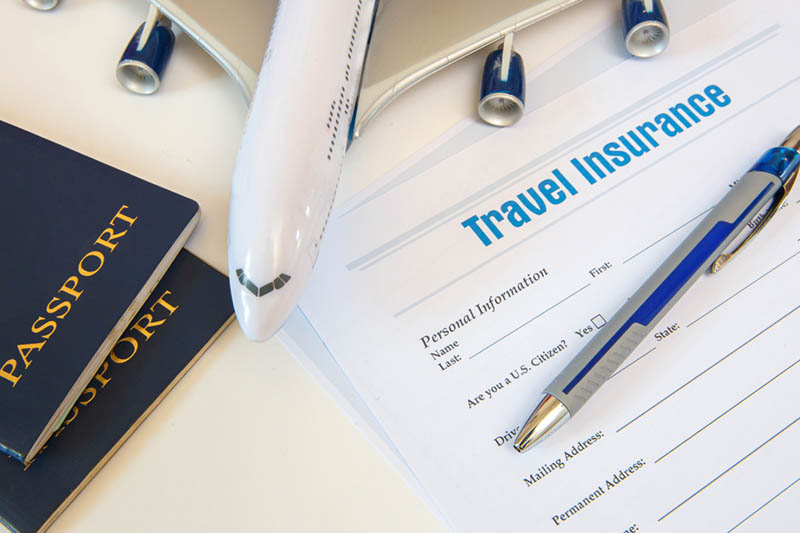
Planning a vacation involves a meticulous orchestration of flights, accommodations, excursions, and packing lists. While travelers readily invest time and capital into securing the perfect itinerary, they frequently overlook the single most critical component of a secure journey: travel insurance. Traveling without adequate coverage exposes you to severe financial and logistical vulnerabilities that can disrupt your trip and deplete your personal savings.
Travel insurance serves as a specialized financial safety net designed to mitigate risks associated with domestic and international transit. From minor inconveniences like delayed luggage to life-altering emergencies such as international medical evacuations, understanding how travel insurance functions is an essential skill for every modern traveler.
The Core Pillars of Travel Insurance Coverage
A comprehensive travel insurance policy is not a singular monolithic product. Instead, it is a combination of distinct coverages designed to address various phases and mishaps of travel. Understanding these individual pillars allows you to evaluate policies effectively and select the exact protections required for your specific journey.
Trip Cancellation and Interruption
Trip cancellation insurance protects your non-refundable, pre-paid trip expenses if you are forced to cancel your vacation before it begins. To trigger this coverage, your reason for cancellation must be explicitly listed as a covered reason in your policy document. Standard covered reasons typically include a sudden illness or injury affecting you or a close family member, severe weather that halts transportation, or unexpected jury duty.
Trip interruption insurance functions similarly but activates after you have departed. If an unforeseen event forces you to cut your trip short and return home early, this coverage reimburses you for the unused portion of your pre-paid arrangements, alongside the additional expenses incurred to purchase an emergency, last-minute return flight.
Emergency Medical and Dental Care
Perhaps the most critical component for international travelers is emergency medical coverage. Many people mistakenly assume that their domestic health insurance provider will cover medical bills incurred abroad. In reality, most domestic health plans, including government-sponsored programs, offer little to no coverage outside your home country.
If you experience an acute illness or sudden injury while traveling, emergency medical coverage pays for hospital stays, doctor visits, diagnostic tests, and prescription medications. Without this protection, you may be forced to pay out-of-pocket before receiving non-life-threatening treatment in a foreign country.
Emergency Medical Evacuation
While medical care addresses treatment inside a hospital, emergency medical evacuation ensures you can actually reach an adequate medical facility. If you are traveling in a remote area, an underdeveloped region, or a cruise ship in the middle of the ocean, local medical facilities might lack the equipment or specialists necessary to treat a severe condition.
Medical evacuation coverage manages and funds the logistics of transporting you to the nearest capable hospital via helicopter, specialized air ambulance, or ground transport. If deemed medically necessary by the insurance provider’s medical director, this coverage can also pay to repatriate you back to your home country for ongoing treatment. Given that international air medical evacuations can easily cost tens of thousands of dollars, this pillar is absolutely indispensable.
Baggage and Personal Effects Protection
This coverage addresses the logistical headache of lost, stolen, or damaged belongings. If an airline permanently loses your suitcase, or if your items are stolen from a hotel room, this protection reimburses you for the net value of your belongings, subject to specific policy limits and depreciation.
Additionally, look for policies that include a baggage delay benefit. If your luggage is delayed by an airline for a specified period, such as twelve hours or more, this benefit provides a small cash allowance to purchase essential toiletries and a change of clothes while you wait for your bags to arrive.
Understanding Crucial Policy Exclusions and Limitations
Securing the right travel insurance requires a clear understanding of what a policy will not cover. Misunderstanding exclusions is the primary reason travelers experience denied claims.
-
Pre-Existing Medical Conditions: Standard travel insurance policies generally exclude claims resulting from medical conditions that existed before you purchased the plan. However, many providers offer a pre-existing medical condition waiver if you purchase your policy within a strict window, typically 14 to 21 days after making your initial trip deposit.
-
High-Risk and Adventure Activities: If you plan to engage in activities like scuba diving, skydiving, mountain climbing, or skiing, you must check the policy exclusions. Standard plans classify these as high-risk activities and will not cover injuries sustained while participating in them. You will need to purchase a specialized adventure sports rider or a policy explicitly tailored to active travel.
-
Government Travel Advisories and Pandemics: If a government agency issues a negative travel advisory for your destination due to civil unrest or health crises, standard trip cancellation may not cover you if you choose to cancel out of fear. Fear of travel is universally excluded across standard policies.
The Value of Cancel For Any Reason (CFAR) Coverage
For ultimate flexibility and peace of mind, travelers can opt for an optional upgrade known as Cancel For Any Reason (CFAR) coverage. As the name implies, this rider allows you to cancel your travel plans for absolutely any reason whatsoever, whether it is fear of a changing geopolitical climate, a sudden change in work schedule, or simply a change of heart.
CFAR coverage comes with strict stipulations. You must purchase the upgrade shortly after making your initial trip payment, you must insure the full 100% value of all non-refundable trip costs, and you must cancel your trip at least 48 hours prior to your scheduled departure. Furthermore, CFAR does not reimburse 100% of your costs; it typically returns 50% to 75% of your non-refundable expenses. Despite these limitations, it represents the highest level of cancellation flexibility available in the consumer insurance market.
Navigating the Claims Process Successfully
The true measure of a travel insurance policy occurs when you need to file a claim. To ensure a smooth reimbursement process, you must act methodically from the moment an incident occurs.
Documentation is the foundation of every successful insurance claim. If your flight is delayed or cancelled, obtain a written statement from the airline gate agent explaining the cause of the disruption. If you fall ill, request copies of all medical records, admitting charts, and discharge summaries, alongside itemized invoices before leaving the clinic or hospital. For stolen items, a formal police report filed within 24 hours of the incident is mandatory for the insurance company to process a payout. Keep every receipt for out-of-pocket expenses, as you will need to submit these as physical proof of your financial loss.
Frequently Asked Questions
Can I purchase a travel insurance policy after I have already started my trip?
No, you cannot purchase a standard travel insurance policy once your trip has commenced. Policies must be bought before you depart your home country or state. Purchasing a policy after an incident occurs is considered insurance fraud, and providers utilize departure data and timestamp validations to prevent this.
How does travel insurance interact with the coverage offered by my credit card?
Some premium credit cards offer built-in travel protections, such as rental car collision damage waivers or basic trip interruption benefits. However, credit card coverages are often secondary, meaning you must exhaust all other insurance options first. They also rarely provide robust emergency medical or medical evacuation coverage, which are vital for international voyages.
What is the difference between a travel insurance policy and a vacation protection plan sold by an airline?
Vacation protection plans sold directly by airlines or cruise lines are often waiver programs rather than true insurance policies. These waivers are regulated differently, often reimburse you in the form of future travel credits rather than cash refunds, and lack the comprehensive medical, legal, and evacuation protections found in independent travel insurance policies.
Does travel insurance cover cancellations due to work obligations?
Standard travel insurance plans do not cover cancellations caused by work commitments or unexpected schedule changes. If you want protection against work-related disruptions, you must look for a policy that includes a specific work reasons coverage modifier, or opt for a Cancel For Any Reason upgrade.
Is there a deductible associated with travel insurance medical claims?
This depends entirely on the specific policy you select. Many travel insurance policies feature a zero-dollar deductible, meaning the insurance company pays for covered expenses starting from the very first dollar. Other plans allow you to select a deductible, such as 250 dollars, in exchange for a lower upfront policy premium.
How far in advance of my departure date should I buy my travel insurance policy?
The ideal time to buy travel insurance is immediately after making your first non-refundable trip payment, such as a flight ticket or hotel deposit. Buying early maximizes your coverage window for trip cancellation and ensures you remain eligible for time-sensitive benefits like pre-existing condition waivers and Cancel For Any Reason upgrades.