The Best Skin Care Solutions for Sensitive, Eczema-Prone Skin
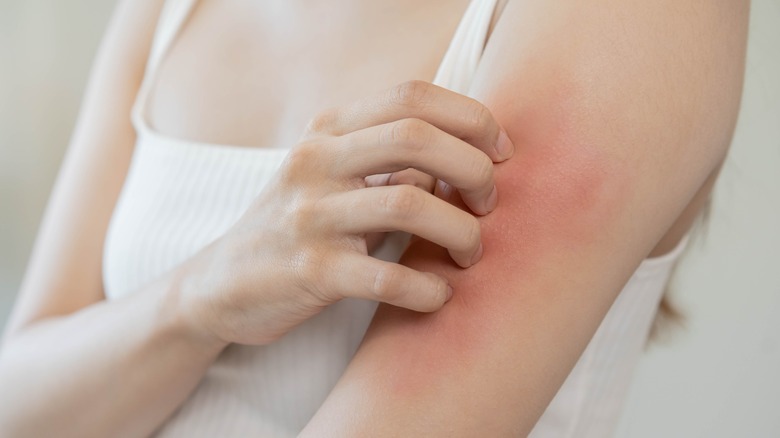
Managing sensitive, eczema-prone skin requires a careful balance of patience, targeted ingredients, and consistent routines. Eczema, clinically known as atopic dermatitis, compromises the skin barrier, allowing moisture to escape and environmental irritants to penetrate easily. This results in persistent dryness, intense itching, redness, and inflammation. When your skin barrier is vulnerable, standard skincare products can often exacerbate these symptoms, turning a simple routine into a source of painful flare-ups.
To successfully manage this condition, you must move away from aggressive, trend-driven skincare and focus entirely on barrier repair, deep hydration, and irritation prevention. Understanding how to select the right formulations and build a protective daily regimen can transform your skin from reactive and inflamed to calm, resilient, and comfortable.
Understanding the Eczema-Prone Skin Barrier
The outermost layer of your skin, the stratum corneum, functions like a brick wall. The skin cells act as bricks, while a matrix of lipids, including ceramides, cholesterol, and fatty acids, serves as the mortar. In healthy skin, this structure keeps hydration locked inside and blocks external allergens, bacteria, and pollutants.
In sensitive and eczema-prone skin, this matrix is genetically deficient or damaged. The lack of essential lipids creates microscopic gaps in the barrier. This vulnerability leads to transepidermal water loss, a process where moisture rapidly evaporates from the skin. As the skin dries out, it becomes highly susceptible to micro-cracks, allowing everyday substances like dust, fragrances, and harsh chemicals to trigger an immune response, resulting in the classic red, itchy rash associated with eczema.
Core Ingredients to Look For
When shopping for skincare solutions, your primary goal is to manually replenish the missing components of your skin barrier and calm overactive inflammatory responses. Look for products containing these clinically proven ingredients.
Ceramides
Ceramides are the literal glue that holds skin cells together. Because eczema-prone skin suffers from a distinct lack of natural ceramides, applying topical ceramides helps rebuild the lipid matrix. This locks in moisture and prevents the penetration of external irritants. Look for products that feature multiple types of ceramides, such as Ceramide NP, AP, and EOP.
Colloidal Oatmeal
Colloidal oatmeal has been used for centuries as a natural remedy for inflammatory skin conditions. It contains compounds called avenanthramides, which possess potent anti-inflammatory and anti-itch properties. It binds to the skin and creates a protective buffer, reducing the urge to scratch and soothing raw, irritated patches.
Hyaluronic Acid and Glycerin
These ingredients are humectants, meaning they act like magnets to draw moisture into the skin from the surrounding environment and the deeper layers of the dermis. Glycerin is particularly beneficial for eczema because it is highly biocompatible, virtually non-irritating, and helps stabilize the lipid structure of the skin barrier.
Niacinamide
Also known as Vitamin B3, niacinamide is an excellent multi-tasking ingredient for sensitive skin. It stimulates the natural production of ceramides within the skin, reduces redness, and strengthens the skin barrier over time. However, stick to lower concentrations, around two to five percent, as higher concentrations can sometimes cause temporary flushing or irritation in highly reactive skin.
Ingredients to Avoid Completely
What you leave out of your skincare routine is just as critical as what you put into it. Eliminating common triggers can dramatically reduce the frequency and severity of eczema flare-ups.
Synthetic and Natural Fragrances
Fragrance is the leading cause of cosmetic allergic contact dermatitis. This includes not only synthetic perfumes but also natural essential oils like lavender, peppermint, eucalyptus, and citrus oil. While essential oils are often marketed as natural remedies, they contain highly volatile compounds that can easily trigger severe allergic reactions on compromised skin barriers.
Harsh Surfactants
Sulfate-based cleansers, such as Sodium Lauryl Sulfate, create a rich lather but strip away the precious few lipids your skin has left. Opt instead for non-foaming, creamy, or oil-based cleansers that clean the skin without leaving it feeling tight or squeaky clean.
Exfoliating Acids and Physical Scrubs
Glycolic acid, salicylic acid, and rough physical scrubs are designed to speed up cell turnover by breaking down skin cells. On eczema-prone skin, this further destroys an already weakened barrier. Avoid chemical and physical exfoliation entirely during a flare-up, and introduce exceptionally gentle alternatives, like lactic acid or PHAs, only when the skin is completely healed and stable.
A Step-by-Step Daily Routine for Sensitive Skin
A skincare routine for eczema-prone skin should be minimalist. Introducing too many products increases the statistical likelihood of an adverse reaction. Focus on a simple, three-step routine for morning and night.
Step 1: Gentle Cleansing
Wash your face and body with lukewarm water. Hot water strips the skin of its natural oils, while freezing cold water can shock sensitive capillaries. Use a soap-free, non-foaming cleanser. Gently massage the product using your fingertips; never use rough washcloths or loofahs, which create micro-tears in the skin.
Step 2: Hydrate While Damp
Do not dry your skin completely after washing. Instead, gently pat yourself with a clean towel, leaving the skin slightly damp. Immediately apply your humectants or hydrating serums. Applying products to damp skin traps the moisture on the surface, significantly increasing hydration levels.
Step 3: Seal with an Occlusive Moisturizer
A lightweight lotion is rarely enough to support eczema-prone skin. You need thick, emollient creams or occlusive balms that contain ingredients like petrolatum, shea butter, or squalane. These create a physical shield over the skin, mimicking the missing lipid barrier and preventing transepidermal water loss throughout the day and night.
Lifestyle Adjustments for Long-Term Management
Topical solutions work best when paired with mindful daily habits that minimize environmental triggers.
-
Control the Indoor Climate: Dry indoor air removes moisture from your skin. Use a cool-mist humidifier in your bedroom, especially during winter months when indoor heating system usage is high.
-
Choose Fabrics Carefully: Clothing rests directly against your skin barrier. Avoid scratchy, synthetic fabrics like polyester, nylon, and coarse wool, which can cause mechanical irritation. Stick to breathable, soft natural fibers like organic cotton, silk, and bamboo.
-
Switch Laundry Detergents: Residual detergent on clothing and bedding is a hidden cause of many skin flare-ups. Wash your clothes, sheets, and towels in fragrance-free, dye-free detergents formulated specifically for sensitive skin, and skip fabric softeners entirely.
Frequently Asked Questions
Can dietary changes help reduce eczema flare-ups?
While diet does not directly cause eczema, certain foods can trigger systematic inflammation that exacerbates skin conditions. Many individuals find that reducing their intake of common inflammatory foods, such as processed sugars, dairy, gluten, or soy, helps manage their symptoms. However, it is best to consult with a physician or registered dietitian before making drastic dietary changes.
Is it safe to use makeup during an active eczema flare-up?
It is highly recommended to avoid makeup on areas of active, cracked, or peeling eczema. Cosmetics can trap bacteria, and the ingredients may penetrate the raw skin, worsening inflammation. If you must wear makeup, choose mineral-based, fragrance-free products and ensure your skin is heavily moisturized beforehand to create a protective barrier.
How do I safely introduce a new skincare product to my routine?
Always perform a patch test before applying a new product to your face or body. Apply a small, coin-sized amount of the product to a clean area of skin, such as your inner forearm or the side of your neck, twice a day for up to five days. If you experience no redness, itching, burning, or swelling, the product is likely safe for broader application.
Why does my eczema get worse during seasonal transitions?
Rapid shifts in temperature and humidity tax the skin barrier. Moving from humid summer air to cold, dry winter air strips moisture away quickly. Conversely, spring pollen blooms can trigger histamine responses in the body, leading to increased systemic inflammation and skin itching. Adjust the thickness of your moisturizer ahead of these seasonal shifts.
What is the difference between a lotion, a cream, and an ointment for eczema?
The primary difference lies in the ratio of oil to water. Lotions have a high water content, absorb quickly, but evaporate fast, making them insufficient for eczema. Creams have a higher oil content, offering better barrier protection. Ointments and balms contain the highest concentration of lipids and oils, creating the most effective occlusive seal to prevent moisture loss.
Can stress cause an eczema breakout?
Yes, stress is a major psychological trigger for eczema. When you experience chronic stress, your body releases hormones like cortisol, which suppress the immune system and increase systemic inflammation. This inflammation weakens the skin barrier, makes the skin more reactive, and intensifies the neurological itch response, leading to a scratch-and-flare cycle.