How Low-Impact Dance Cardio Supports Joint-Friendly Movement
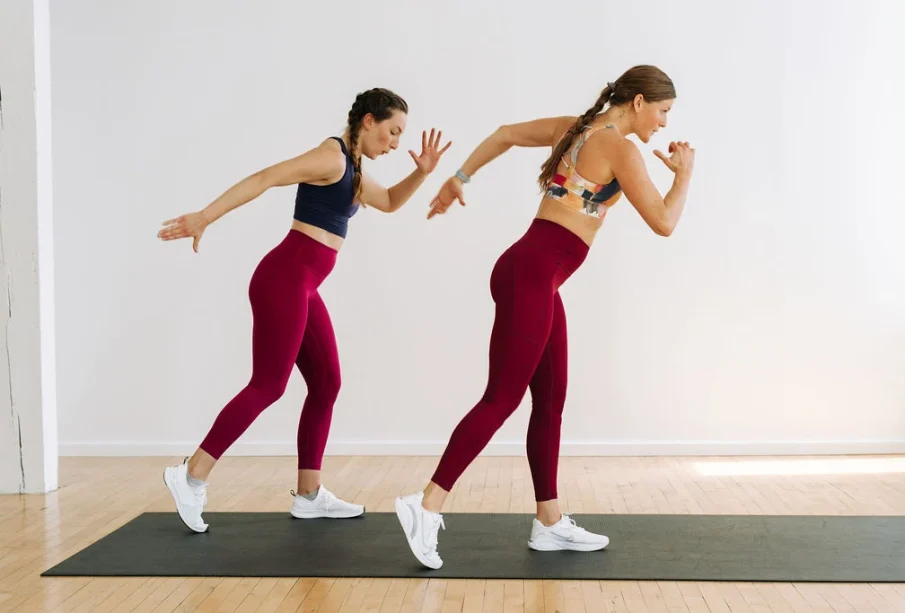
Cardio does not need to be harsh on the body to be effective. Many people avoid dance or aerobic classes because they imagine jumping, fast turns, and high-impact moves that may not suit their knees, ankles, hips, or back. But dance cardio can be adjusted. With the right class style and smart movement choices, it can offer an energetic workout while staying joint-friendly.
For people considering zumba classes singapore, low-impact dance cardio can be a practical option. It allows participants to enjoy music, rhythm, and group energy without forcing every movement to be high impact. This makes dance fitness more accessible for beginners, older adults, people returning after a break, or anyone who wants cardio without constant jumping.
What Low-Impact Really Means
Low-impact exercise means at least one foot usually stays on the ground. It reduces the repeated landing forces that come from jumping or running. Low-impact does not mean low effort. A person can still raise heart rate, sweat, and train stamina through controlled movement.
In dance cardio, low-impact options may include stepping instead of hopping, marching instead of jumping, using smaller turns, or reducing range during faster sequences.
The goal is to keep movement energetic but comfortable.
Why Joint-Friendly Movement Matters
Joints respond to load, movement quality, and repetition. Some people tolerate high-impact movement well. Others feel discomfort in the knees, ankles, hips, or lower back. For them, low-impact options can make cardio more sustainable.
A joint-friendly class allows people to train regularly without feeling punished afterward.
Consistency improves when the workout feels good enough to repeat.
Low-Impact Dance Still Trains Cardio
Some people think low-impact exercise is too easy to improve fitness. That is not always true. Intensity can be increased through speed, arm movement, rhythm, posture, and continuous effort.
A low-impact dance class can still challenge the heart and lungs. The participant may sweat, breathe harder, and build stamina without jumping.
The key is active participation. Smaller impact does not have to mean passive movement.
It Supports Beginners
Beginners often need workouts that build confidence. High-impact classes can feel overwhelming if the person is not used to coordinated movement. Low-impact dance cardio gives them a way to start without feeling left behind.
They can learn steps, improve rhythm, and build stamina gradually.
As fitness improves, they may choose to add more intensity, but they do not have to rush.
It Helps People Returning After a Break
People returning to exercise after months or years away often feel uncertain. They may want a fun class but worry about keeping up. Low-impact dance cardio helps bridge the gap.
It offers music and group energy while allowing the body to rebuild tolerance. The person can focus on consistency first.
This is often better than jumping into intense workouts and becoming sore or discouraged.
Technique Still Matters
Even low-impact movement needs good technique. Participants should avoid twisting aggressively through the knees, collapsing posture, or forcing movements beyond comfort. Good instructors cue alignment, rhythm, and safe modifications.
For example, turns can be made smaller. Steps can be softened. Arm movements can be reduced if shoulders feel tired. The class should allow adjustment.
Joint-friendly training is not only about impact. It is also about control.
Shoes and Flooring Make a Difference
Dance cardio involves movement in different directions. Supportive footwear matters. Shoes should allow movement but still provide stability. Very worn-out shoes may affect comfort.
Flooring also matters. A proper studio floor can feel better than hard home surfaces. This is one reason in-person classes may be more comfortable than trying fast dance workouts in a small home space.
The environment supports the body.
Low-Impact Options Can Still Feel Energetic
A common fear is that modifying movements will make the class less fun. In reality, a good low-impact version can still feel lively. Participants can use stronger arm patterns, more intentional steps, and steady rhythm to stay engaged.
The energy comes from music and movement, not only jumping.
This makes the class inclusive without removing excitement.
Listening to the Body Is Important
Participants should notice how their body feels during and after class. Mild muscle effort is normal. Sharp pain, joint discomfort, dizziness, or worsening symptoms should not be ignored.
If pain appears, the person should reduce intensity, modify movements, or seek professional guidance when needed.
Fitness should help the body feel stronger, not create repeated discomfort.
Low-Impact Dance for Stress Relief
Low-impact dance cardio can also support mood. People can enjoy music and movement without the pressure of a punishing workout. This makes it appealing after long workdays or during periods of fatigue.
For many people, the emotional benefit is what keeps them coming back.
A workout that feels enjoyable and manageable has long-term value.
Pairing Low-Impact Dance With Strength Training
Low-impact cardio is useful, but strength training should still be included. Strong muscles help support joints and improve movement confidence. Lower-body strength, core stability, and hip control can make dance cardio feel better.
A balanced routine may include dance cardio, strength training, and mobility work.
This combination supports both fitness and joint comfort.
Choosing the Right Class
People looking for joint-friendly dance cardio should choose classes with clear instruction, lower-impact options, and a welcoming atmosphere. The instructor should normalize modifications and encourage participants to train at their own level.
The class should feel challenging but not reckless.
For those comparing group fitness options, True Fitness Singapore may be relevant when looking for dance-based classes in a structured indoor environment that supports movement variety and accessible cardio.
FAQ
Can dance cardio be low impact?
Yes. Many dance cardio movements can be modified by stepping instead of jumping and reducing aggressive turns.
Is low-impact dance cardio still effective?
Yes. It can still raise heart rate, improve stamina, and support consistency when performed with enough effort.
Who should consider low-impact options?
Beginners, older adults, people returning after a break, or anyone with joint sensitivity may benefit from lower-impact movement.
Should low-impact cardio replace strength training?
No. Strength training is still important for muscle support, posture, and joint stability.